
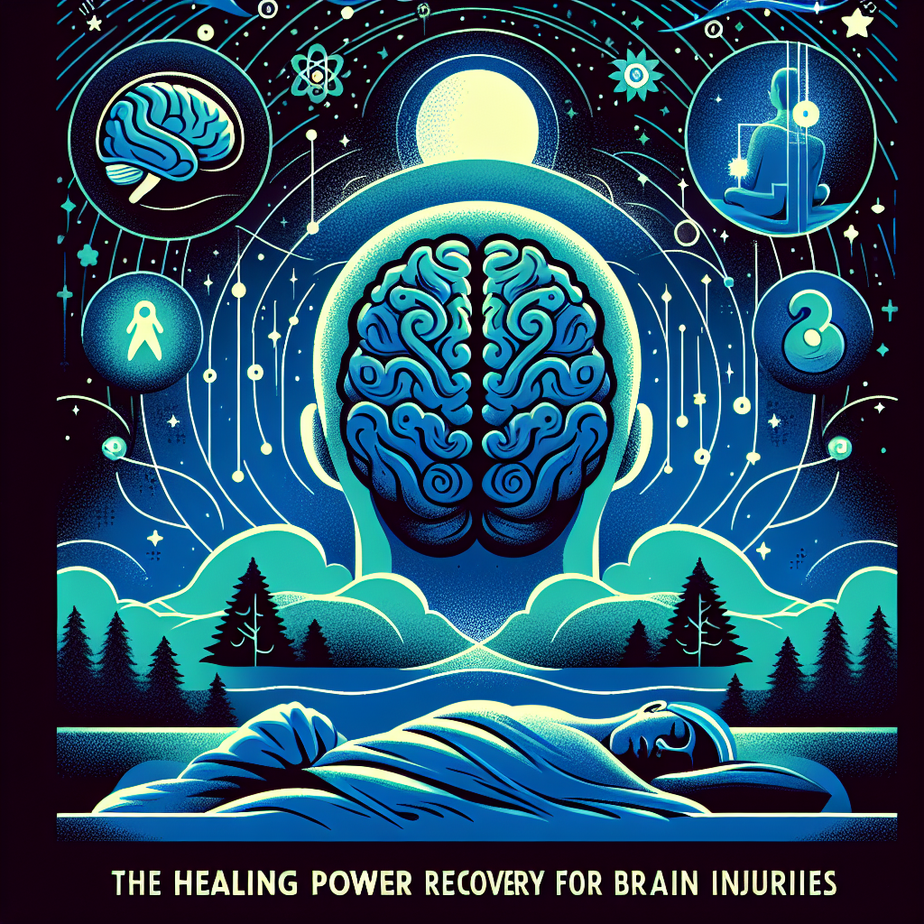
The Healing Power of Sleep: Unlocking Recovery for Brain Injuries
thebugskiller.com – The intricate dance between sleep and recovery is a tale as old as time, but new research is now casting a spotlight on just how crucial uninterrupted slumber is for those healing from traumatic brain injuries. While sleep’s restorative magic is well-documented, this study reveals that sleep’s role is even more vital than we may have previously understood, particularly in the context of brain injury. The findings are clear: undisturbed sleep acts as a catalyst for healing, whereas fragmented sleep can stymie recovery efforts, leading to exhaustion and decreased function.
Exploring this connection, researchers have turned to an unusual group for insights—mice. By observing how mice recover from brain injuries with irregular sleep patterns, scientists have unveiled striking parallels that could revolutionize human treatment protocols. The most startling revelation from the study is that disrupted sleep not only diminishes the quantity of REM sleep—a phase crucial for cognitive processes—but also contributes to an increase in fatigue, a common plight among those with brain injuries.
REM sleep, the sleep stage often associated with vivid dreams, plays a critical role in cognitive restoration. In the wake of a brain injury, the role of REM sleep becomes even more pronounced, as it aids in the stabilization and repair of cognitive functions. Fragmented sleep disrupts this process, leaving the brain starved of the essential time it needs to repair neuronal connections. This underscores the urgent need for therapeutic approaches that prioritize sleep stabilization in the aftermath of a brain injury.
Given the study’s implications, the common adage “sleep it off” takes on new weight. In a society that increasingly views sleep almost as a luxury, understanding sleep’s profound impact on brain recovery serves as an important reminder of its primary role in health and recovery. It’s a clarion call for both individuals and healthcare professionals to recognize and prioritize sleep as a fundamental pillar of recovery protocols.
However, it’s not just the scientific insights that are noteworthy—it’s the personal stories behind them. Individuals struggling with fatigue and cognitive difficulties post-injury are offered a beacon of hope. Knowing that something as seemingly simple as improved sleep hygiene could accelerate recovery can empower patients and caregivers alike to make informed choices that enhance healing and quality of life.
Crafting a Sleep-Friendly Recovery Environment
Creating a conducive sleep environment is crucial for those recovering from brain injuries. Factors like ambient noise, lighting, and even bedroom temperature can significantly impact the quality of sleep. One practical approach is reducing screen time before bed, a strategy that helps lower exposure to blue light, which is known to interfere with sleep patterns. Establishing a calm, quiet, and darkened sleeping space can also promote deeper, more restful sleep, essential for triggering the cerebral regeneration processes we now understand to be so valuable.
Beyond the environment, incorporating consistent sleep schedules can further enhance the restorative power of sleep. By setting regular bedtimes and wake-up times, regardless of the day, patients can regulate their body’s internal clock, making it easier to drift into REM sleep. Such routines also minimize the chance of sleep fragmentation, thus optimizing healing. Additionally, natural sleep aids like herbal teas and mild physical activities during the day could complement these strategies.
Future Directions in Brain Injury Recovery
The insights from this study pave the way for innovative treatments that incorporate sleep-focused strategies. Future research may explore pharmaceutical interventions to enhance sleep continuity or technological solutions like sleep-tracking devices, providing personalized feedback to optimize recovery strategies. These advancements could lead to new therapeutic protocols that prioritize mental well-being by synchronizing sleep cycles with brain health.
Ultimately, our understanding of sleep as a critical component in brain injury recovery is deepening. Integrating this knowledge into treatment plans could revolutionize patient outcomes by championing sleep as both a treatment and preventative measure. As researchers continue to explore this vital frontier, the potential for breakthroughs in holistic recovery approaches seem vast and promising.
In conclusion, sleep is indisputably an indispensable ally in the journey of recovery from brain injuries. As we harness these insights, let’s advocate for a cultural shift that values sleep not just for general well-being, but as a core element of our healthcare protocols. By doing so, we stand to unlock more effective pathways to recovery and a better quality of life for countless individuals.

Related Posts

Faith, Family and Fear in United States News

New Lab Access at Memorial Hospital of Sweetwater County