
Bird Flu Alert: Safeguarding Poultry Health
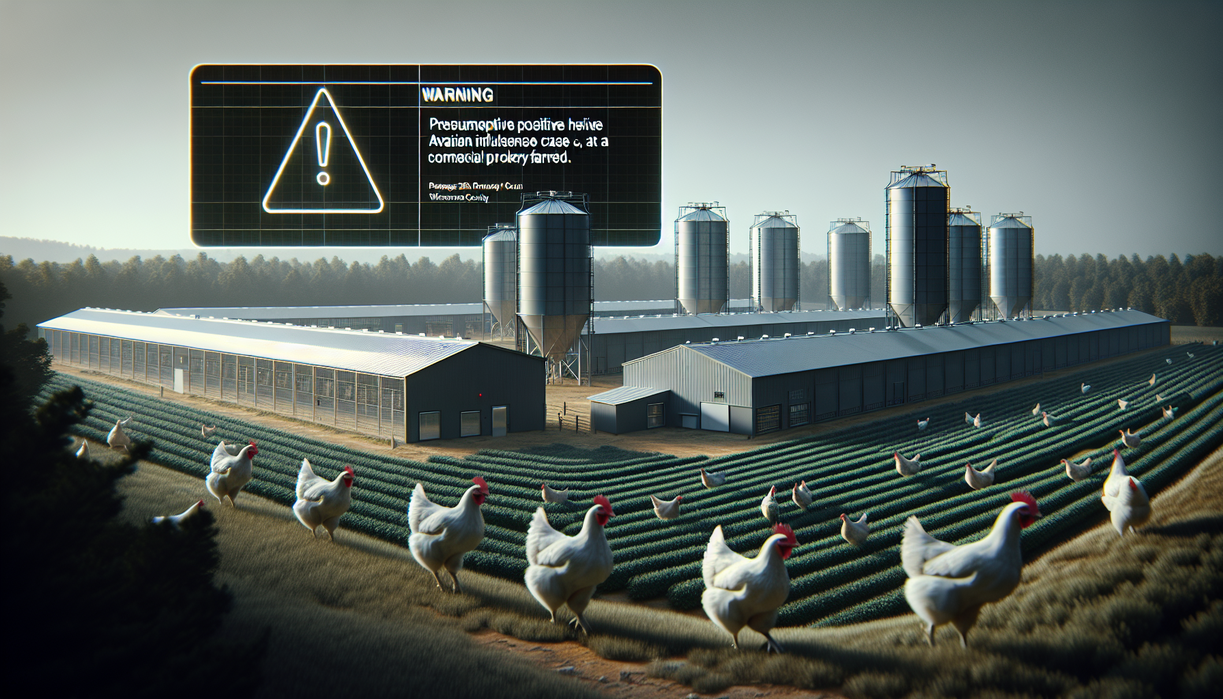
thebugskiller.com – News of a presumptive H5 bird flu case in Wicomico County has quickly drawn attention from farmers, residents, and public health watchers. Any sign of avian influenza instantly raises questions about health, not only for poultry but also for communities that depend on a secure food supply. When a commercial broiler farm faces a serious disease threat, it becomes more than a local issue; it turns into a test of how prepared our systems are to protect animal health and human wellbeing.
Although this case is focused on poultry health, the ripple effects go much further. Every flock represents jobs, food access, and economic stability. When bird flu appears, we are reminded that health is a shared ecosystem, where animals, humans, and environments are tightly connected. Understanding what is happening in Wicomico County can help us think more clearly about risk, responsibility, and how to respond wisely to protect collective health.
What Bird Flu Means For Poultry Health
Avian influenza, often called bird flu, is a viral disease that affects the health of birds, especially poultry raised for meat and eggs. The H5 subtype identified in Wicomico County is part of a family of viruses that can become highly pathogenic, meaning it can spread quickly through a flock and cause high mortality. For a commercial broiler farm, that scenario threatens both animal health and business survival. Even a presumptive case triggers strict responses meant to limit additional spread.
From a health standpoint, the priority is containment. Authorities typically isolate the affected farm, restrict movement of birds and equipment, and begin extensive testing. These actions might appear severe from the outside, yet they are grounded in decades of experience with outbreaks around the world. Once avian influenza gains a foothold, it can move fast, so early, decisive intervention is central to protecting poultry health across an entire region.
It is worth noting that not every bird flu strain poses the same level of danger to human health. Many primarily affect birds, although ongoing surveillance remains essential. The Wicomico County situation underscores why biosecurity measures, vaccination strategies where appropriate, and clear communication matter so much. By learning from each detection, farms can improve health safeguards, while officials refine protocols that keep both flocks and communities safer.
Community Health, Food Security, and Daily Life
When a poultry farm confronts bird flu, the immediate concern centers on flock health, but community health soon joins the conversation. Workers on the farm, families near the site, and local businesses connected to the poultry industry all feel the impact. Even if the risk to human health stays low, anxiety often rises. People wonder whether eggs and meat remain safe, or if they should change their routines. Clear, science-based messaging becomes critical to maintain public trust and support mental health through uncertainty.
Food security also enters the picture. A commercial broiler farm does not operate in isolation; it feeds into regional supply chains that stock grocery store shelves and restaurant kitchens. If many birds are culled to protect animal health, short-term disruptions can follow. Prices may rise, or product availability may fluctuate. While most systems can absorb one farm’s losses, repeated outbreaks across a wider area could still weaken long-term food resilience, illustrating how animal health links directly to human nutrition and economic health.
From a personal perspective, this situation highlights how easily we take everyday food for granted. Chicken on a plate represents an entire chain of health decisions: how birds are housed, how farms manage disease, and how government agencies monitor threats. When bird flu appears, cracks in that chain become visible. It reminds us to support policies that prioritize health at each step, whether through better working conditions on farms, stronger disease surveillance, or investment in research that helps prevent future outbreaks before they disrupt lives.
Lessons for Future Health Preparedness
The Wicomico County bird flu case serves as a real-time stress test for health preparedness at every level. For farmers, it reinforces the value of strict biosecurity, routine health monitoring, and rapid reporting when something looks wrong. For public agencies, it provides a chance to refine response plans, strengthen laboratory networks, and improve how information reaches residents. For the rest of us, it is a reminder that health is not just an individual matter; it is a collective project. Reflecting on this event, we can choose to advocate for smarter farming systems, transparent communication, and sustained investment in animal and public health infrastructure, so that the next outbreak finds us more ready, less fearful, and better equipped to respond with care and wisdom.

Related Posts

Content Context: Needle-Free Futures in Medicine

Putting Cholesterol in Context: The Lp(a) Test