
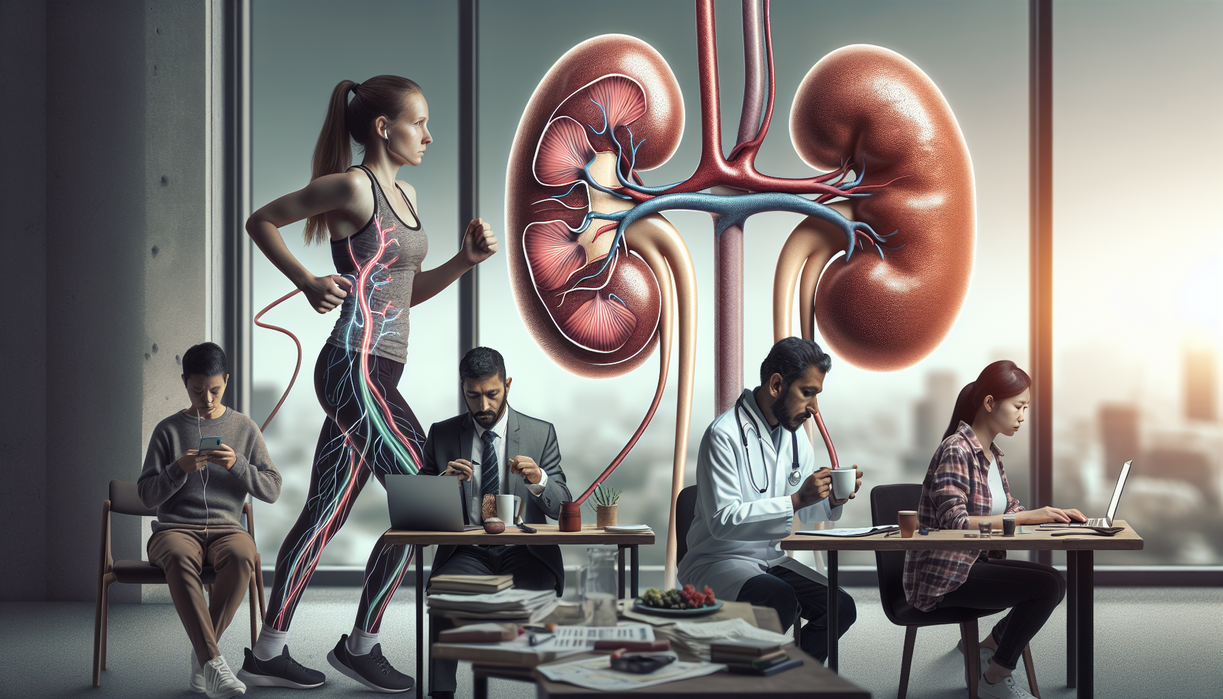
Conditions That Quietly Damage Your Kidneys
thebugskiller.com – Many people think serious health conditions always come with obvious warning signs. Chronic kidney disease, however, often hides in plain sight. Millions live with impaired kidneys yet feel almost normal, so they delay checkups until damage has already advanced. Once kidney tissue is badly scarred, it rarely recovers, which makes early awareness absolutely crucial.
Understanding which conditions strain your kidneys gives you a chance to protect them before problems escalate. By learning key risk factors, tracking subtle symptoms, and making consistent lifestyle choices, you can reduce the likelihood of chronic kidney disease. You also gain more control over other conditions that travel alongside kidney issues, such as diabetes, high blood pressure, and heart disease.
How chronic kidney conditions quietly progress
Chronic kidney conditions usually develop slowly over many years. The kidneys filter waste, balance fluids, manage minerals, and support blood pressure. When tiny filters inside these organs become damaged, small declines in function often go unnoticed. People may blame fatigue on stress or aging, rather than early kidney strain. This quiet decline explains why so many individuals only learn about their conditions during routine blood or urine tests.
Medical professionals use two main tools to track kidney conditions: estimated glomerular filtration rate (eGFR) and urine albumin levels. eGFR shows how efficiently your kidneys filter blood. A lower number signals trouble. Elevated protein in urine indicates that delicate kidney filters are leaking. These markers frequently change long before obvious symptoms appear, which is why lab work has such an important role in uncovering hidden conditions.
My perspective as an observer of health trends is simple: prevention succeeds when people understand that conditions like chronic kidney disease rarely appear overnight. Most cases reflect long-term stress from unmanaged blood pressure, poorly controlled blood sugar, repeated dehydration, smoking, or heavy use of pain medications. Protecting your kidneys is less about one heroic decision and more about thousands of small, consistent choices. Once you see it that way, prevention feels achievable instead of overwhelming.
Major conditions that increase kidney risk
Two conditions stand out as primary drivers of chronic kidney problems: diabetes and hypertension. High blood sugar gradually injures blood vessels throughout the body, including those that feed the kidneys. Meanwhile, uncontrolled blood pressure squeezes these same vessels, causing thickening and scarring. Over time, your kidneys work harder to filter blood through narrowed pathways. Without intervention, this steady strain progresses toward chronic kidney disease or even complete kidney failure.
Heart disease, obesity, autoimmune conditions, and long-term infections also contribute to kidney damage. Excess body fat encourages inflammation and insulin resistance, which worsen related conditions. Autoimmune disorders like lupus may cause the immune system to attack kidney tissue directly. Certain infections or repeated kidney stones can leave lasting scars as well. Even sleep apnea and chronic stress have indirect effects by raising blood pressure and disrupting metabolic balance.
Medications themselves sometimes aggravate kidney conditions when used frequently or at high doses. Nonsteroidal anti-inflammatory drugs (NSAIDs), such as ibuprofen or naproxen, reduce blood flow to kidney tissue, especially in people who already have risk factors. Some herbal supplements, contrast dyes for imaging tests, and illicit substances can also damage kidney cells. That does not mean people must avoid all medications. Instead, it highlights why honest conversations with health professionals about existing conditions and drug habits are so valuable for long-term kidney safety.
Everyday steps to protect your kidneys
Protecting yourself from chronic kidney conditions does not require perfection, only steady progress. Focus on core habits: keep blood pressure and blood sugar within target ranges, choose nutrient-dense foods with modest salt and added sugar, drink enough water to maintain pale-yellow urine, avoid tobacco, and limit heavy alcohol intake. If you live with conditions like diabetes or hypertension, schedule consistent checkups including eGFR and urine tests. Ask whether any of your medications could stress your kidneys, then explore safer options when appropriate. By treating your kidneys as partners in daily life instead of distant organs out of sight, you create a realistic path toward healthier aging and a more resilient body. A reflective pause today can spare you from far more serious conditions tomorrow.

Related Posts

Active Aging Playgrounds For A Better Lifestyle

Content Context: Needle-Free Futures in Medicine