
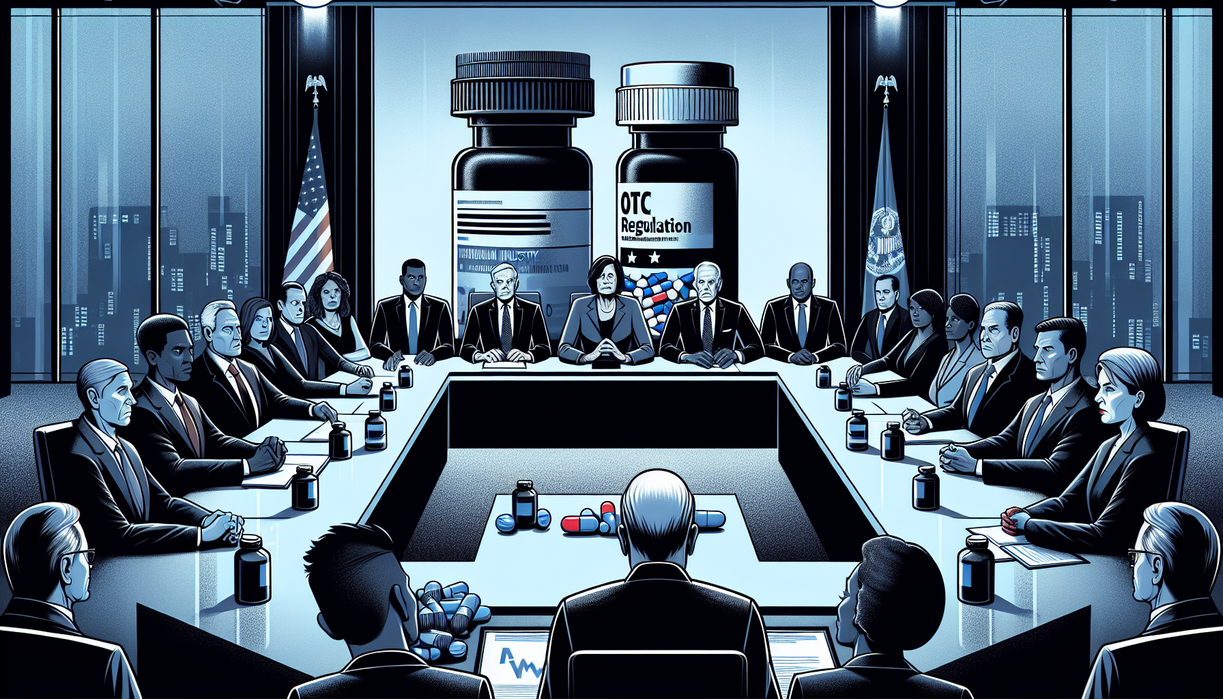
How fda+ Could Rewrite the Pharmacy Aisle
thebugskiller.com – The debate over fda+ reform has moved from policy circles to the pharmacy aisle, where everyday consumers feel the impact most. At the center of the storm stands a proposal to make it easier for medicines to shift from prescription status to over‑the‑counter shelves. Supporters see fda+ as a chance to modernize access, while major pharmaceutical companies worry about profit erosion, safety liabilities, and a reshaped competitive field.
As the Food and Drug Administration, encouraged by the Trump-era reform push, explores new pathways, fda+ has become shorthand for a broader transformation of how people obtain common therapies. FDA chief Marty Makary promotes this agenda as overdue innovation. Yet drug manufacturers and trade associations argue the plan moves too far, too fast, and could unsettle decades of carefully managed risk controls.
What fda+ Actually Changes
To understand the uproar, it helps to clarify exactly what fda+ is supposed to achieve. The initiative would streamline the process that allows certain prescription drugs to become available over the counter. Historically, such switches demand extensive data, lengthy negotiations, and conservative decision‑making. fda+ aims to reduce friction through clearer standards, adaptive labeling, and modern technology that helps customers self‑screen more safely.
In theory, patients could access approved therapies for allergies, migraines, high cholesterol, or acid reflux right off the shelf, without scheduling a doctor visit. Advocates argue this would expand care in rural regions with physician shortages, cut unnecessary clinic appointments, and trim overall costs. For those living with routine, stable conditions, fda+ could feel like a long‑delayed acknowledgment that they can manage familiar treatments responsibly.
However, simplifying the regulatory route does not mean lowering the bar for safety. The agency insists any fda+ switch would still require solid evidence that consumers understand instructions, recognize warnings, and know when professional help is needed. In other words, the gate stays locked, but fda+ would oil the hinges. That distinction matters, because opponents frame the proposal as deregulation, while regulators insist it reflects smarter oversight, not weaker safeguards.
Why Pharma Is Resisting fda+
The industry pushback against fda+ does not stem from a single fear; it arises from a web of financial, legal, and strategic concerns. When a medicine jumps from prescription to OTC, insurance coverage often vanishes, price controls change, and direct‑to‑consumer marketing rules shift. Such moves can destabilize established revenue streams. Companies worry that accelerated switches will shorten the profitable life of brand‑name prescription drugs before they fully recoup research investments.
Trade groups also raise liability questions. If a drug transitions under fda+ and a consumer misuses it, who bears responsibility? Clear labeling helps, though it does not erase risk. Manufacturers imagine a future in which complex therapies appear on store shelves accompanied by apps, kiosks, or questionnaires. The technology might satisfy regulators, yet corporate legal teams still see potential courtroom nightmares. From that angle, resistance to fda+ looks less like stubborn greed and more like defensive risk management.
Competition is another motivator. OTC markets often face brutal price pressure from store brands and generic rivals. A product thriving under prescription exclusivity could quickly lose pricing power once it crosses the aisle. When executives model an fda+ world, they sometimes see shrinking margins, crowded shelves, and weaker brand loyalty. It is no surprise, then, that major players lobby hard to slow or shape the reform, framing objections as patient‑safety concerns while also protecting shareholder interests.
A Personal Take on the fda+ Battle
From my perspective, the fda+ proposal exposes a deeper tension in modern healthcare: how to expand autonomy without abandoning vulnerable patients. Easier OTC access empowers people with knowledge, stable conditions, and reliable internet connections. For them, fda+ looks like liberation from gatekeeping. Yet others lack health literacy, face language barriers, or juggle multiple complicated diagnoses. They still need professional guidance. The challenge, then, is not whether to move forward with fda+, but how to design it so that convenience does not become a substitute for care. Thoughtful safeguards, real‑world studies, better digital tools, and honest communication could turn a contentious reform into a more balanced system, where the pharmacy aisle becomes a bridge to healthier lives instead of a risky shortcut.

Related Posts

Cardiology Breakthrough: Oral Pill Shields Hearts

Content Context Guide to Understanding GERD