
Psychedelic Medicine Shakes Up United States News
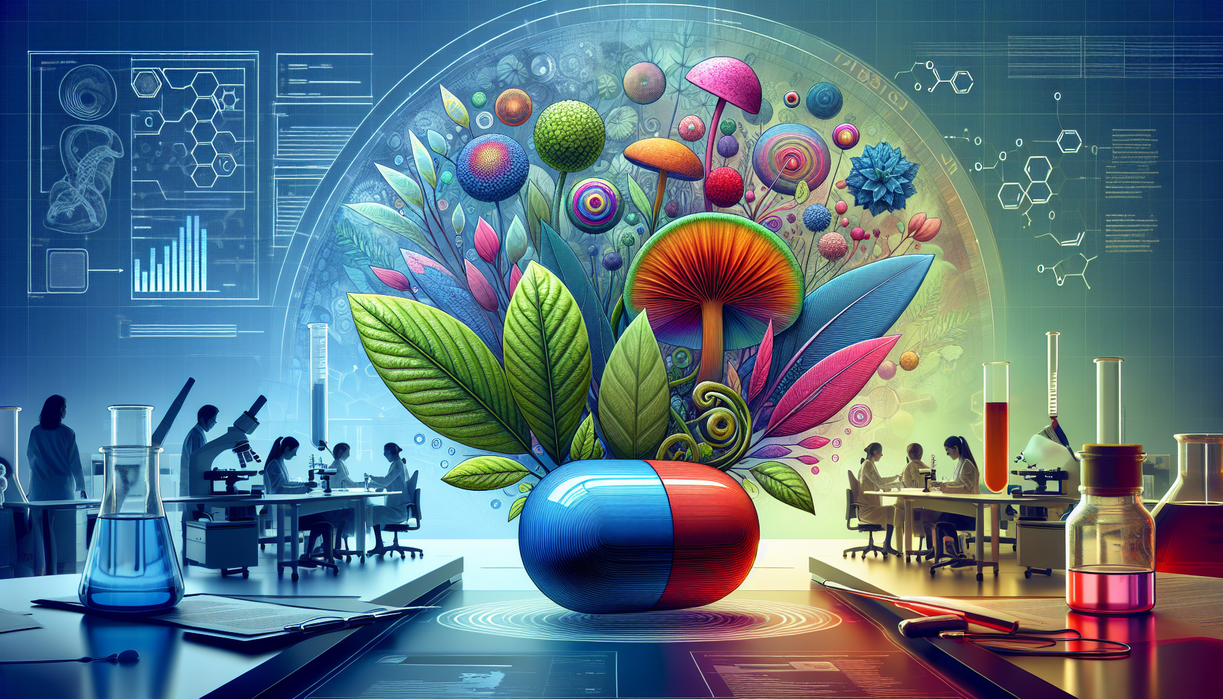
thebugskiller.com – In recent united states news, few topics have stirred more curiosity than the return of psychedelics to mainstream medicine. At Zucker Hillside Hospital, on the border of Queens and Nassau County, a new Northwell Health laboratory is stepping straight into that spotlight by testing cannabis, MDMA, and psilocybin with real patients. This marks a striking shift from decades of prohibition toward a cautious yet hopeful era of scientific exploration.
This lab does more than follow a trend; it positions New York as a serious player in the evolving story of psychedelic research dominating united states news. Researchers hope to understand whether these once-vilified substances can safely ease depression, PTSD, addiction, and chronic pain, while reshaping how society thinks about mental health treatment.
A New Psychedelic Frontier in American Medicine
The decision to open a dedicated lab for psychedelic trials has strong symbolic weight across united states news coverage. For years, discussions about MDMA and psilocybin lived mostly on the fringes, tied to underground therapy circles or tech culture experiments. Now, a major health system is putting institutional credibility, resources, and regulatory muscle behind drugs once dismissed as counterculture relics.
At Zucker Hillside Hospital, the lab’s agenda includes three headline substances: cannabis, MDMA, and psilocybin. Each carries a distinct reputation in united states news. Cannabis has slowly moved from scandal to semi-normalization. MDMA is still often linked to nightlife. Psilocybin, the active ingredient in many so-called magic mushrooms, occupies a strange space between spiritual tool and forbidden medicine. Studying them together allows researchers to compare benefits, risks, and therapeutic potential across a spectrum of mind-altering experiences.
What makes this story stand out in united states news is not only the substances, but the setting. This is not a Silicon Valley startup nor a boutique retreat. It is a hospital connected to a large health system, governed by medical ethics boards, federal regulations, and insurance realities. Bringing psychedelics into that environment suggests the field is moving beyond hype toward the slower, more demanding world of clinical science.
Why Psychedelics Are Back in United States News
The renewed spotlight on psychedelics in united states news reflects a deeper crisis in mental health. Conventional antidepressants help many people, yet leave a significant share with partial relief or no benefit at all. PTSD, addiction, and treatment-resistant depression continue to drive suffering, disability, and premature death. Against this backdrop, even controversial tools begin to look worth re-examining, as long as safety remains central.
Psychedelic compounds such as psilocybin and MDMA appear to work differently from typical daily medications. Instead of subtle, ongoing changes, they may trigger intense, time-limited experiences guided by therapists. Early research, frequently cited in united states news, suggests that one or a few carefully supervised sessions can produce lasting improvements for some patients. The Northwell lab could help test whether those promising results hold up in larger, more diverse populations.
From my perspective, this story highlights how quickly stigma can erode once evidence builds. A decade ago, serious discussion about psilocybin in mainstream united states news felt nearly impossible. Today, coverage often frames it as a potential breakthrough. That rapid shift brings opportunity but also risk: public enthusiasm can race ahead of data, creating unrealistic expectations or encouraging unsupervised self-experimentation.
Inside the Northwell Psychedelic Trials
Though many details remain in development, the Northwell lab’s work will likely follow patterns seen in other clinical trials now reaching united states news audiences. Candidates will be screened carefully, excluding people with certain psychiatric or medical conditions. Sessions with psilocybin or MDMA will occur in supportive, controlled spaces, with trained staff present for the entire experience. Integration therapy, where patients reflect on insights over time, may prove just as vital as the drug itself. My view is that such structure is crucial: psychedelics amplify emotion and perception, so responsible use requires preparation, guidance, and follow-up, not just a pill and a prayer.
Balancing Promise and Risk in Public Perception
Every new wave of medical innovation tests how society balances optimism and caution. Psychedelics now occupy that delicate zone in united states news narratives. On one side, there is genuine promise. Research from universities and hospitals has repeatedly shown that MDMA-assisted therapy can dramatically reduce PTSD symptoms for some people. Psilocybin has delivered rapid relief to certain patients with severe depression. On the other side, these substances can destabilize vulnerable individuals when used without proper support.
The Northwell lab has a chance to model how responsible experimentation should look in the context of modern united states news coverage. That means clear communication with patients, transparency about risks, and strict adherence to regulatory oversight. It also means resisting the urge to treat early successes as miracles. Science rarely moves in straight lines; even exciting results may not translate perfectly to broad clinical practice. Long-term follow-up and replication are essential.
My own perspective is cautiously hopeful. I see the emotional intensity of psychedelic sessions as both their greatest asset and their biggest danger. A transformative experience can help someone break free from entrenched patterns of fear, self-hatred, or addiction. That same intensity, however, can surface traumatic memories or induce panic. Done well, psychedelic therapy requires robust therapeutic frameworks, not only pharmacological insight. If that nuance comes through clearly in united states news stories, public expectations could remain grounded instead of drifting into mythology.
How This Fits into Broader United States News Trends
The Northwell initiative does not exist in isolation. Across the country, united states news has tracked a patchwork of state-level reforms, decriminalization efforts, and city-based psychedelic resolutions. Oregon and Colorado have launched regulated psilocybin programs. Several municipalities have moved to deprioritize enforcement of certain psychedelic laws. Meanwhile, the FDA has granted breakthrough therapy status to some MDMA and psilocybin treatments, signaling strong interest at the federal level.
In that context, a hospital-based lab at Zucker Hillside feels almost inevitable, a next step in a national story. Medicine, policy, and culture are converging. Researchers chase data; investors sense opportunity; patients look for relief where standard approaches have failed. United states news outlets, hungry for narratives combining science, controversy, and human drama, amplify every development. That attention can push regulators and health systems to move faster—or at least to clarify their positions.
I think this convergence brings both clarity and confusion. On one hand, legitimizing research helps separate evidence-based practice from speculative hype. On the other hand, financial interests and political agendas can skew priorities, focusing on marketable treatments rather than broader questions about mental health infrastructure. As more psychedelic stories appear in united states news, the challenge will be to keep patient welfare above profit and spectacle.
Ethics, Access, and the Future of Care
Beyond the headlines, ethical questions loom large. Who will gain access to these treatments once they move beyond trials? Will they be available only at elite clinics, or integrated into community hospitals like Zucker Hillside across the country? Will insurance cover them, or will they become another boutique option for the privileged few? These are not abstract issues, especially as united states news increasingly highlights mental health inequities. My hope is that research at places like Northwell can inform models of care that prioritize safety, equity, and cultural sensitivity, rather than reproducing existing gaps in service and representation.
What This Means for Patients and Practitioners
For patients following united states news about psychedelics, the Northwell lab may inspire both hope and questions. Some will wonder whether they qualify for trials; others may consider waiting for eventual approval of new therapies. It is important to remember that clinical research is slow and highly selective. Not everyone who might benefit can participate. Still, studies like these help build the foundation for future treatment guidelines, dosing protocols, and training standards for therapists.
Practitioners, meanwhile, face a learning curve. Most psychiatrists, psychologists, nurses, and social workers received little to no formal education on psychedelic therapy. As trials expand, professional training programs will need to catch up. United states news coverage often focuses on dramatic patient stories, yet the less glamorous work—curricula, supervision standards, and ethical best practices—could determine whether this movement actually improves outcomes on a broad scale.
From my vantage point, the most constructive path forward blends curiosity with restraint. Clinicians should stay informed through peer-reviewed research, not just popular united states news segments. Patients should seek credible information and avoid self-medicating with underground options that lack medical oversight. Health systems should invest in building expertise slowly, resisting both blanket rejection and uncritical embrace. If the Northwell lab becomes a model of that balanced approach, its influence could extend far beyond Queens and Nassau.
My Take on the Cultural Shift
The emergence of a psychedelic lab at Zucker Hillside Hospital symbolizes a deeper cultural change playing out across united states news. For decades, the dominant narrative framed these substances as inherently dangerous, without nuance. Now, the story is more complicated: risk remains, but so does therapeutic possibility. That complexity, to me, is a sign of maturity. Societies grow when they can hold conflicting truths at once.
Still, I worry about our collective tendency to swing between extremes. We once demonized psychedelics; now we risk romanticizing them. The truth likely lies somewhere in the middle, where these drugs are powerful tools that require structure, skill, and humility. I hope journalists, clinicians, and patients alike keep that middle ground in mind as united states news cycles push for compelling narratives.
Ultimately, the shift says as much about our view of suffering as it does about the drugs themselves. Widespread interest in psychedelics reflects a hunger for deeper healing, not just symptom management. Many people crave experiences that reconnect them to meaning, relationship, and purpose. If facilities like the Northwell lab can investigate those possibilities with rigor and compassion, this chapter of united states news might mark the beginning of a more humane mental health era.
A Reflective Closing on a Psychedelic Turning Point
As the Northwell lab begins testing cannabis, MDMA, and psilocybin with patients, united states news will undoubtedly follow closely. The stakes are high: lives shaped by trauma, depression, and addiction hang in the balance. I see this moment as a test of whether we can use scientific curiosity responsibly, honoring both the vulnerability of participants and the weight of history. Psychedelics are not magic bullets, yet neither are they mere relics of a past counterculture. They are catalysts—capable of helping or harming, depending on how we choose to engage them. Our collective decisions now will determine whether this new wave of research becomes just another fad or a lasting contribution to more compassionate care.

Related Posts

Content Context of Compassionate Vet Care

Content Context For Healing Hearts