
Active Aging Playgrounds For A Better Lifestyle
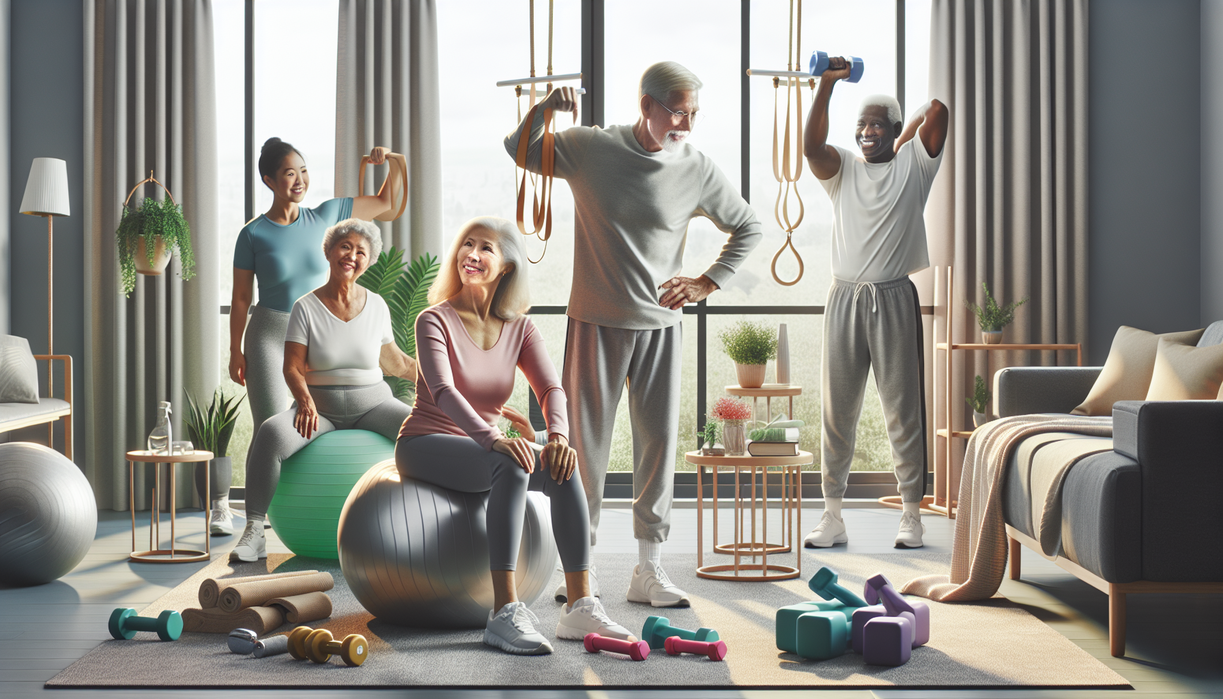
thebugskiller.com – Across cities worldwide, a quiet revolution in lifestyle is taking shape. Next to swings and slides, you may notice curious metal frames, balance beams, and gentle resistance stations. These are not designed for children. Instead, they create a playful lifestyle space for older adults, where movement, laughter, and social contact blend into daily routine.
These senior-friendly playgrounds support a healthier lifestyle by turning exercise into something approachable and fun. Rather than intimidating machines in a gym, they offer low-impact equipment arranged in open-air parks. This simple shift invites aging parents to stay active, preserve independence, and maintain a sharper mind, while also connecting with neighbors across generations.
Why Senior Playgrounds Matter For Lifestyle
Traditional fitness culture often overlooks people over sixty, even though they benefit most from regular movement. Senior playgrounds respond to this gap by creating spaces tailored for a mature lifestyle. Equipment favors balance, coordination, and gentle strength work instead of intense workouts. The goal is not muscle showmanship but stability, confidence, and everyday mobility.
Research links light, consistent activity with lower risk of heart issues, type 2 diabetes, and cognitive decline. When these playgrounds appear in familiar parks, active lifestyle habits become easier to maintain. Seniors can use a recumbent bike, rotating wheels, or step platforms for just fifteen minutes per visit. Over months, such modest routines help joints stay flexible and prevent stiffness.
Beyond physical benefits, these spaces nurture a socially connected lifestyle. Older adults often struggle with loneliness, especially after retirement or life transitions. Meeting friends at the same park creates a rhythm to the week. Informal chats near the equipment encourage belonging, which influences emotional health almost as much as exercise itself.
How These Spaces Support Body And Mind
Walk through a well-designed senior playground, you will notice thoughtful details. Surfaces feel forgiving underfoot, helping reduce impact on knees and hips. Handrails sit at accessible heights, guiding users during balance drills. Equipment typically moves in smooth arcs rather than sudden jerks, which protects joints. Every design choice aligns with a sustainable lifestyle approach instead of quick physical transformation.
Exercise here actively trains skills required for independent living. Rotating handles support shoulder mobility, useful for hanging laundry or reaching cupboards. Light leg presses build strength for climbing stairs or getting up from a chair. Simple balance boards help prevent falls at home. Each small improvement reinforces confidence, which then encourages a more outgoing lifestyle beyond the park.
Mental engagement receives equal attention. Coordinated arm-leg movements challenge the brain as much as muscles. Following simple routines with friends adds a game-like element. Many seniors start to view their new playground as a lifestyle hub, not just a fitness zone. One might say, “Meet me by the balance beam at nine,” turning exercise into a daily social ritual instead of a medical chore.
Changing Family Habits Around Aging
For families, senior playgrounds provide a visible reminder that aging does not have to mean shrinking lifestyle choices. Parents can accompany grandchildren to the same park, each generation heading to its own equipment yet sharing one communal space. This subtle overlap breaks stereotypes about what older bodies can do. When relatives witness grandparents using the gear with curiosity, it encourages more supportive conversations about health, routine, and independence. In my view, these spaces invite us to redefine what a good later-life lifestyle looks like: less about quiet withdrawal, more about playful participation in community life.

Related Posts

Faith, Family and Fear in United States News

New Lab Access at Memorial Hospital of Sweetwater County