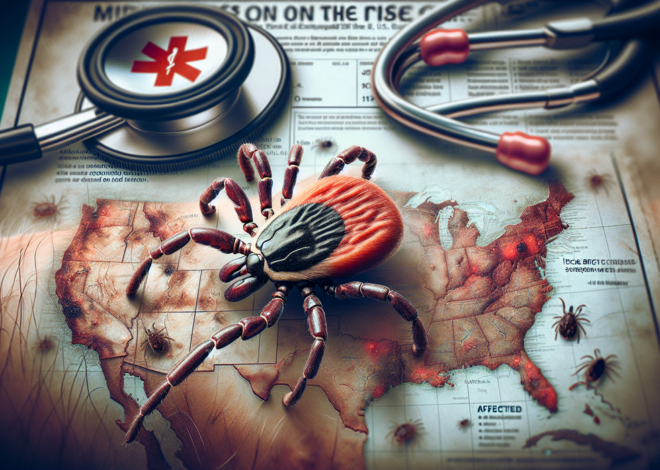

Public Health Warning: Flea-Borne Threat in LA
thebugskiller.com – Public health officials in Los Angeles are confronting a worrying surge of a flea-borne illness that is sending nine out of ten infected patients to the hospital. This disturbing ratio highlights how a problem once considered rare now demands urgent attention from clinicians, policymakers, and residents alike. When a local infection starts to overwhelm emergency rooms, it stops being a niche concern and becomes a central public health priority tied to housing, sanitation, and environmental care.
The current outbreak shows how closely public health is connected to urban life: crowded neighborhoods, unmanaged trash, stray animals, and a warming climate all create perfect conditions for fleas to flourish. As the city struggles to get ahead of the outbreak, the rest of the country should treat this as a warning. Flea-borne disease is not just an LA story; it is an example of what happens when long-standing social problems meet infectious threats.
Public Health Lessons from a Flea-Borne Crisis
To understand the public health stakes, start with the numbers: when nine out of ten symptomatic patients need hospitalization, the pathogen involved is not mild. Although the exact infection may differ by region, flea-borne illnesses frequently cause high fever, severe headache, rash, and potentially life-threatening complications. Many patients reach medical care late, after days of worsening symptoms, which raises the risk of organ failure or long-term damage.
Clinicians in LA have reported patients arriving confused about what caused their illness. Few expect that a flea bite could lead to such severe outcomes. This knowledge gap reveals a deeper public health problem. Education campaigns have not kept pace with the changing pattern of vector-borne diseases. People know to avoid mosquitoes in summer, yet far fewer understand how fleas can transmit dangerous bacteria linked to typhus-like infections or other serious conditions.
From a broader public health perspective, this outbreak is a stress test for the city’s systems. Surveillance networks must detect spikes early, laboratories need capacity to confirm cases quickly, and hospitals should have protocols to isolate and treat patients. When those pieces work together, authorities can break chains of transmission. When they fail or lag, cases multiply silently in the most vulnerable communities, especially where poverty, crowded housing, and poor sanitation intersect.
Why Fleas Thrive in Modern Cities
It is easy to imagine flea-borne illness as a relic of history, linked to medieval plagues or rural barns. Yet public health experts know fleas adapt to contemporary urban life with alarming ease. Piles of uncollected garbage attract rodents. Stray animals move between alleys, shelters, and encampments. Warm winters lengthen breeding seasons. Each factor fuels larger flea populations that can carry harmful bacteria from hosts to humans.
In many LA neighborhoods, residents have complained for years about overflowing dumpsters, weak pest control, and a lack of stable housing. Those conditions create a perfect storm for fleas. Public health is not only about vaccines, laboratories, or hospitals; it is also about basic infrastructure. Clean streets, regular trash pickup, safe shelter, and access to veterinary care for pets function as disease prevention tools as much as any medication.
My own view is that this outbreak reflects a failure to treat housing and sanitation as core public health responsibilities. When people live in tents, cars, or overcrowded units with unreliable plumbing, fleas and other vectors find easy hosts. Addressing the medical side of the problem without fixing these root causes will only buy time. The same cycle will repeat unless city leaders treat environmental conditions as non‑negotiable elements of health policy.
Protecting Yourself While Pushing for Systemic Change
On an individual level, several practical measures can reduce risk while broader public health reforms move forward. Regularly wash bedding at high temperatures, use vet-approved flea control products on pets, vacuum carpets thoroughly, and avoid areas heavily infested with rodents or stray animals. If you live or work near encampments or unmanaged trash sites, consider protective clothing when possible and check your skin after exposure. Most importantly, seek medical care quickly if high fever, severe headache, or rash appear following suspected bites. Yet personal actions alone cannot solve a structural problem. Residents also need to press local leaders to prioritize sanitation funding, humane solutions for homelessness, and strong vector-control programs. This crisis should push us to rethink what public health really means: not just reacting to outbreaks, but building cities where everyone has a fair chance to stay healthy.

Related Posts

Faith, Family and Fear in United States News

New Lab Access at Memorial Hospital of Sweetwater County