Content Context for Healthier Births
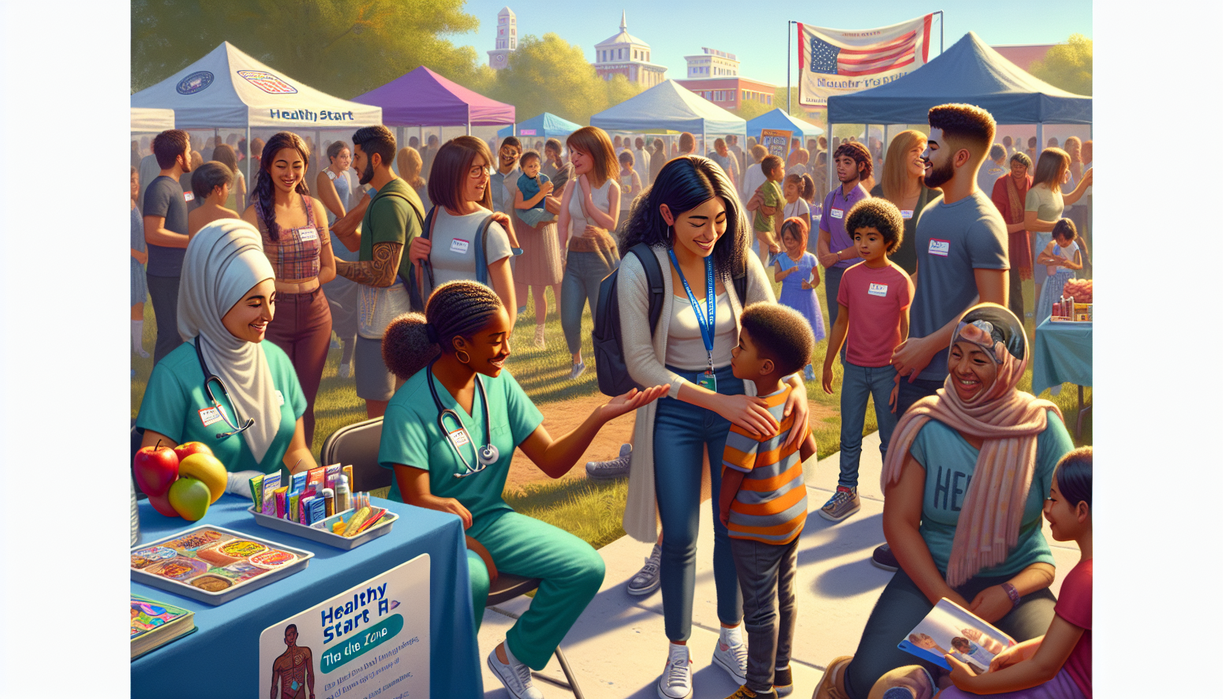
thebugskiller.com – On a quiet Saturday at the Westside Community Center, the usual hum of weekend routines is being replaced by something far more intentional: content context for community health. Prisma Health’s Healthy Start team is stepping into the neighborhood alongside The Zone, blending medical insight, real-life stories, and practical skills into an event focused on birth equity in the Upstate.
This collaboration is not just another health fair; it is a living example of how content context can transform information into action. Instead of handing out random brochures, organizers connect every workshop, meal, and conversation to a bigger narrative about safe pregnancies, supported parents, and babies who get a fair start in life.
Why Content Context Matters for Birth Equity
Health education often fails because it arrives stripped of context. People receive leaflets packed with facts yet walk away unsure how any of it fits their lives. By centering content context, Prisma Health and The Zone reframe education as a guided journey. Every message is linked to local realities, cultural habits, and specific barriers that Upstate families face when pregnancy begins or a newborn arrives.
Birth inequities rarely come from a single cause. They emerge from overlapping issues such as income gaps, limited prenatal access, housing instability, chronic stress, and historical mistrust of medical systems. Without content context, these layers blur together, and advice feels abstract. With context, parents can see how nutrition choices, stress management, and regular checkups connect directly to their own pregnancy story, step by step.
At the Westside Community Center event, context shows up in small, concrete ways. A cooking demo ties recipes to food options available at nearby stores. A lactation conversation is framed by local work schedules and childcare realities. Even the timing of sessions respects bus routes and weekend obligations. These decisions seem minor, yet they signal respect. People notice when information arrives designed for their world, not for a textbook audience.
Skills, Sustenance, and Stories with Meaning
The Zone’s presence at this event strengthens the bridge between theory and practice. Their role goes beyond providing materials; they help weave content context into each activity. Skill-building sessions look less like lectures and more like guided practice. Parents learn how to track fetal movement, prepare simple nutrient-rich meals, ask clear questions at appointments, and recognize early signs of complications that require urgent care.
Sustenance is more than a courtesy snack. Thoughtfully prepared food becomes a teaching tool and a symbol of shared care. When a nutrition educator explains iron-rich options or balanced plates, a healthy meal is already on the table to illustrate the point. Families taste what they are learning. That immediate connection makes it easier to imagine repeating similar meals at home, even when budgets feel tight or time is scarce.
Storytelling threads everything together. Instead of reciting statistics about birth disparities, facilitators share relatable scenarios and personal experiences from the community. Participants hear about a neighbor who discovered high blood pressure early, a parent who navigated postpartum depression, or a grandparent who became a key support person. These stories supply content context in the most human way possible, proving that better outcomes are achievable by people who look, live, and speak like them.
Personal Reflections on Community-Centered Care
From my perspective, the most powerful shift at work here is respect for community wisdom. Too often, health systems arrive with answers before they have listened to questions. This event flips that script by using content context as a form of humility. Organizers ask how families absorb information, which obstacles block healthier choices, and what kind of support feels trustworthy. In doing so, they acknowledge that parents are not empty vessels waiting for facts; they are resourceful experts on their own lives. When medical insight meets that lived expertise, birth equity stops being an abstract goal and begins to look like a shared project, built one conversation at a time.
From Information to Action at the Westside Center
Turning knowledge into action is the core challenge for any public health effort, especially when tackling birth inequities. At the Westside Community Center, content context becomes the bridge between hearing a message and actually using it. For example, a session about prenatal visits does not end with a reminder to “see your provider regularly.” It continues into discussions about transportation, childcare during appointments, and ways to advocate for respectful treatment in exam rooms.
Organizers also understand that stresses outside pregnancy shape outcomes inside pregnancy. Conversations about safe sleep, postpartum mood shifts, or breastfeeding come packaged with realistic problem-solving. How does safe sleep work when several children share one room? What happens if a parent needs to return to work quickly? With content context, the event acknowledges those realities instead of ignoring them, and participants feel permission to raise difficult questions without judgment.
A crucial detail is that this is a Saturday event, not a weekday seminar scheduled when many people are working. That timing alone shows a willingness to meet families where they are, not where institutions often expect them to be. Small design choices create a welcoming atmosphere: friendly greeters, comfortable spaces for children, clear signage, and a pace that allows for informal conversations. In my view, these elements are as important as any pamphlet. They send a clear message: your life context shapes this experience, and we have planned for that.
The Role of Trust, Culture, and Local Voices
Trust rarely arises from a single event, yet gatherings like this can plant the seed. Content context plays a major role here, especially when it respects cultural norms and communication styles. Instead of a one-size-fits-all approach, facilitators adapt language, metaphors, and examples to match local traditions. A conversation about nutrition might reference familiar dishes. A dialogue about mental health may start with stress and exhaustion, not clinical labels that feel distant or stigmatizing.
Local voices serve as anchors. When community members help lead sessions, translate terms, or share personal birth stories, participants see themselves reflected in the program. Health systems often talk about outreach yet forget that real connection flows both ways. Prisma Health and The Zone appear to recognize that families bring insight that can refine future interventions. Feedback collected during the event becomes part of an ongoing loop, improving services and materials over time.
From my standpoint, one of the most hopeful aspects is that this approach looks sustainable. Content context is not a flashy technology or a grant-dependent gadget. It is a mindset: design every touchpoint so it fits the real world of the people you want to support. If organizations keep this focus, each subsequent event, clinic visit, or digital resource can build more trust. Birth equity, then, becomes less about heroic one-time campaigns and more about consistent, context-aware practice.
Reflecting on the Path Forward
As I reflect on this Saturday initiative at the Westside Community Center, I keep returning to a simple idea: information only becomes powerful when it enters a story people recognize as their own. By centering content context, Prisma Health Healthy Start and The Zone are helping families reframe pregnancy and early parenting as journeys they can navigate with confidence, not crises they must endure alone. The work is far from finished, and birth inequities will not disappear overnight. Yet each conversation, each shared meal, each practical skill session nudges the future in a better direction. If more health efforts adopted this patient, context-aware approach, communities across the Upstate—and beyond—could move closer to a world where every baby’s first breath begins on equal ground.

Related Posts

Jaishankar Brings New Hope to Trinidad & Tobago

Content Context and a Healthier America