
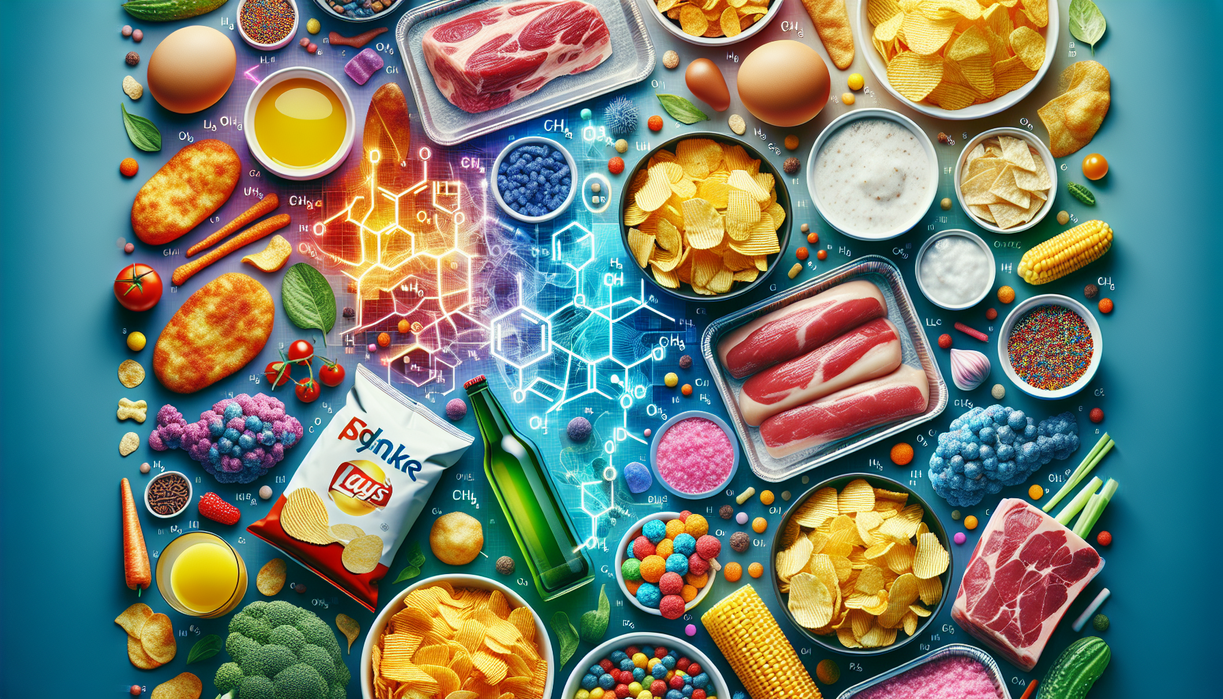
Breaking Food Safety News: BHA Under the Microscope
thebugskiller.com – Food safety news rarely stays quiet for long, and the latest spotlight is on butylated hydroxyanisole, better known as BHA. This synthetic preservative appears in many familiar products, from crunchy potato chips to breakfast cereals on our kitchen shelves. Fresh news from U.S. regulators confirms that the Food and Drug Administration plans to reassess the safety of BHA, reopening a debate that has simmered for decades. For anyone who enjoys modern convenience foods, this news raises an important question: how safe are the additives that keep our snacks fresh and our frozen meals stable?
This news does not arrive in a vacuum. Health advocates, scientists, and consumer groups have long argued that some food preservatives deserve a closer look as new data emerges. BHA has been allowed for years, yet research and global policy have continued to evolve. In Europe, for instance, regulators already apply tighter rules to several antioxidants used in processed foods. The latest news from the FDA suggests U.S. policy might be ready for an update, influenced by new science, shifting consumer expectations, and the fast-changing landscape of industrial food production.
Why This BHA News Matters Right Now
The timing of this BHA news is not random. Over the past few years, shoppers have become far more curious about ingredient lists. Search trends, grocery surveys, and social media all show the same pattern: people want to understand what they eat. News about any chemical in food, especially a widely used preservative, instantly triggers concern. When that substance appears in beloved snacks, frozen dinners, and even some processed meats, the news gains extra emotional force. Many people feel blindsided when they discover how often BHA shows up in everyday meals.
This news also reflects a deeper shift inside the food industry itself. Big brands monitor regulatory signals closely. When an agency announces a safety reassessment, executives, lawyers, and food scientists start preparing for several scenarios. They might adjust formulas, explore alternative antioxidants, or redesign packaging to support shorter shelf lives. So this piece of regulatory news is not just academic. It can reshape product lines on supermarket shelves, alter supply chains, and influence investment in food technology for years ahead.
From a public health angle, the news highlights a tension between risk reduction and practicality. Preservatives like BHA help prevent fats from turning rancid, which protects flavor and reduces food waste. Less spoilage means fewer resources thrown away. However, every additive needs an ongoing risk–benefit review as scientific tools improve. The latest FDA news signals that regulators intend to revisit the data behind BHA’s current legal status. For consumers, this is an opportunity to rethink how often highly processed snacks appear on the table, even before any official rule changes arrive.
What the Science Says Behind the Headlines
Most news updates about BHA mention that some studies link high exposure in animals to potential cancer risks. Context, though, often gets lost in quick headlines. Animal tests usually involve doses far above typical human intake, designed to reveal even subtle toxic effects. That does not mean BHA is harmless, but it does mean we must interpret the news with nuance. Toxicology asks not only, “Can this substance cause harm?” but also, “At what dose, under what conditions, and over how long?”
Regulators originally approved BHA using older data and past safety standards. Since then, scientific methods have become more precise. We now have better ways to study metabolism, genetic changes, and long-term exposure in complex real-world diets. Fresh news from new research can challenge earlier assumptions. For instance, some recent papers explore how mixtures of additives might interact, rather than looking at BHA alone. That kind of work could change how we think about acceptable daily intakes, especially for children, who may consume more snacks per body weight than adults.
My personal reading of the scientific news is cautious but not alarmist. There is enough uncertainty to justify a modern review, particularly for high-exposure groups. Still, current evidence does not prove that a single bag of chips with BHA is a direct path to disease. The bigger story in this news is cumulative exposure. Many people eat multiple BHA-containing products in one day: cereal at breakfast, snack bars at lunch, and frozen meals at night. Over years, that pattern might add up. Science must keep pace with those patterns, rather than assuming old safety margins remain adequate forever.
How Consumers Can Respond to BHA News
When news like this breaks, it is easy to feel helpless, yet small choices still matter. No one needs to wait for the final FDA verdict to start adjusting habits. Reading labels more carefully, experimenting with simpler snacks, and cooking a few extra meals at home can all reduce exposure to BHA and other controversial additives. This news can also nudge us to support transparency from brands, ask better questions of policymakers, and stay engaged with future research. Ultimately, the story of BHA will not only be written in scientific journals or official news releases. It will also be shaped by collective consumer behavior and our willingness to reflect on how much processing we truly want in the foods we share with our families.

Related Posts

How Content Context Shapes Our Food-as-Medicine Hopes