
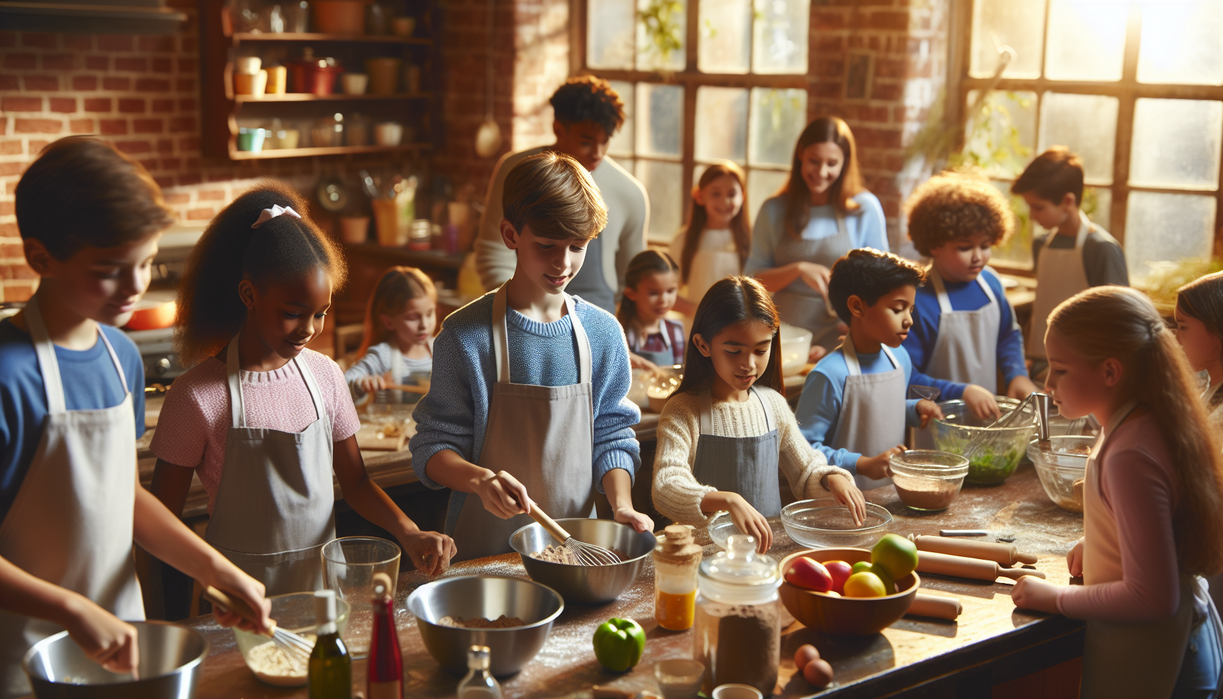
Growing Community Through the 4‑H Healthy Food Challenge
thebugskiller.com – Families across Polk County have a fresh opportunity to connect, learn, and cook together through the Dinah Gore Healthy Food Challenge community interest meeting. Scheduled for January 8 from 4–5 p.m. at the Polk County Extension Office in Columbus, this session welcomes youth ages 8–18 along with parents or guardians who want to explore healthier eating, creative cooking, and shared learning. Rather than a typical lecture, the gathering aims to spark curiosity, introduce the challenge format, and help local families discover new ways to build a stronger community around food.
The heart of the Dinah Gore Healthy Food Challenge lies in more than recipes or competition. It offers young people a place to gain confidence, practice leadership, and experience teamwork while exploring nutrition through a supportive community setting. For adults, it becomes a chance to meet other families, exchange ideas, and encourage kids as they navigate healthier choices. As someone who values food culture and neighborly connections, I see this event as a small but powerful step toward a healthier, more resilient Polk County community.
Why a Healthy Food Challenge Matters for Community
Healthy food can feel like an abstract concept until it shows up on a cutting board, in a skillet, or on a colorful plate shared among friends. A structured healthy food challenge turns that concept into something tangible, exciting, and social. Instead of lecturing kids about nutrition, it invites them to experiment, taste, and discover. This type of experience deepens understanding, fuels curiosity, and binds participants together around a common goal, which ultimately strengthens a sense of community.
For many families, the kitchen has become a rushed stop between school, work, and activities. Convenience foods often win simply because they seem easier. A community challenge can gently shift that pattern by making preparation fun instead of burdensome. When kids chop vegetables beside their peers or learn to season a dish with guidance from caring adults, they develop skills that carry far beyond one event. My perspective as a food education advocate tells me these small moments often become turning points.
There is also a deeper social benefit. Food has always been a bridge between cultures, generations, and neighborhoods. A healthy food challenge hosted through a trusted community program like 4‑H invites youth from diverse backgrounds to collaborate rather than compete in a harsh way. While there may be scoring or awards, the real prize lies in newfound friendships, broader perspectives, and shared pride. Polk County’s decision to host an open interest meeting signals a desire to welcome every family willing to participate.
What Families Can Expect at the Community Interest Meeting
The January 8 community interest meeting at the Polk County Extension Office serves as an informal doorway into the Dinah Gore Healthy Food Challenge. Families can expect introductions to 4‑H staff, volunteers, and possibly older youth who have experience with similar programs. Organizers will likely explain eligibility, timelines, practice sessions, and expectations for participants. Parents can ask detailed questions, clarify time commitments, and learn how to support their children throughout the process.
For young people, this gathering may feel like a first step into a new community. They might see cooking demonstrations, sample simple snacks, or participate in short interactive activities that highlight kitchen safety or basic nutrition. Some may walk in feeling shy; others may arrive eager to show off existing skills. A well-designed meeting helps both groups feel seen. Facilitators can acknowledge different comfort levels, then invite everyone to imagine what they might learn by joining the challenge.
From my point of view, the most valuable part of an interest meeting is the chance to picture the journey ahead rather than just hearing about rules. When kids see real tools, sample ingredients, or photos from past events, they begin to understand how they could contribute. Parents, meanwhile, get a clearer sense of the community around 4‑H: the supportive adults, the peer mentors, and the network of families. That transparency often becomes the deciding factor for families considering a new commitment.
How the Challenge Strengthens Community Beyond the Kitchen
A healthy food challenge initially appears to focus on recipes, knives, and measuring cups, yet its influence extends far into the broader community. Youth who learn to evaluate ingredients, read labels, and prepare balanced meals often feel more capable in other areas of life. They practice communication, time management, and problem solving while cooking under mild pressure. As these skills grow, they bring greater confidence to classrooms, clubs, and future workplaces. Parents witness this growth, then share stories with neighbors, who may feel inspired to join future community programs. Over time, small experiences like the Dinah Gore Healthy Food Challenge create ripples of healthier habits, stronger relationships, and deeper civic engagement throughout Polk County.
Life Skills Youth Gain Through a Community Food Challenge
A community food challenge develops much more than an ability to follow recipes. Participants learn how to read nutrition facts, compare ingredients, and judge portion sizes with a critical eye. They discover how different cooking methods influence flavor, texture, and health value. Those insights give kids a sense of control over their choices rather than leaving decisions to marketing or habit. When young cooks realize they can transform simple items into satisfying meals, they start seeing healthy eating as a skill they own instead of a rule imposed by adults.
Teamwork may be the most underrated outcome. Many challenges require youth to work in small groups, divide tasks, and coordinate steps under time limits. One child might manage chopping tasks, another handles the stove, while a third organizes plating and cleanup. Negotiating roles teaches compromise and respect. Mistakes turn into chances to practice patience and problem solving. I have seen kids who rarely speak up in class become natural leaders at a cutting board, simply because the environment encourages hands-on contributions rather than perfect answers.
Communication skills also grow rapidly. Youth must explain their dish to judges or peers, describe ingredient choices, and sometimes respond to questions about nutrition. That process helps them translate technical ideas into everyday language. It also prepares them to advocate for themselves later—whether asking questions at a doctor’s office or discussing food preferences at home. In a community setting, these conversations extend further. Young participants share tips with each other, compare cultural traditions, and slowly weave a network of mutual support through shared stories about food and family.
Why Community Support Is Essential for Long‑Term Impact
No single event can transform health outcomes across an entire county. Lasting impact comes when community support wraps around programs like the Dinah Gore Healthy Food Challenge. Local businesses might donate ingredients or equipment. Faith organizations could encourage families to attend. Schools may reinforce key lessons through classroom projects or after‑school clubs. When many local institutions pull in the same direction, kids receive consistent messages about the value of good food, careful cooking, and shared responsibility for well‑being.
Parents and caregivers form the backbone of this community support system. Their presence at the interest meeting sends a powerful message: this experience matters. Even small gestures—driving kids to practice, tasting experimental dishes at home, or applauding during presentations—signal belief in their efforts. My experience observing youth programs tells me parental encouragement often outweighs any trophy. When kids feel backed by their family and their broader community, they take more risks, ask more questions, and push themselves to learn.
Volunteers also shape the culture of the challenge. Retired teachers, home cooks, health professionals, or restaurant workers can share practical knowledge while offering patient guidance. These mentors help maintain safety and quality, but they also model curiosity and humility. A chef who admits they still experiment with new techniques shows young people that learning never truly ends. Over time, these cross‑generational relationships enrich the whole community, creating a shared sense of ownership over local health and youth development.
A Reflective Look at Community, Food, and the Future
The Dinah Gore Healthy Food Challenge interest meeting in Polk County represents more than a date on a calendar; it stands as an invitation to imagine a different kind of community life. Picture kitchens where kids feel confident, families share unhurried meals, and neighbors trade recipes instead of complaints about busy schedules. That vision might seem ambitious, yet it often begins with something as simple as showing up for an hour, meeting new people, and tasting what is possible. My hope is that families who attend will leave not only excited about a cooking challenge but also inspired to see themselves as co‑creators of a healthier, more connected Polk County community—one meal, one conversation, one small step at a time.

Related Posts

Public Health Warning: Flea-Borne Threat in LA

Context Behind California Hospice Fraud Sweep