
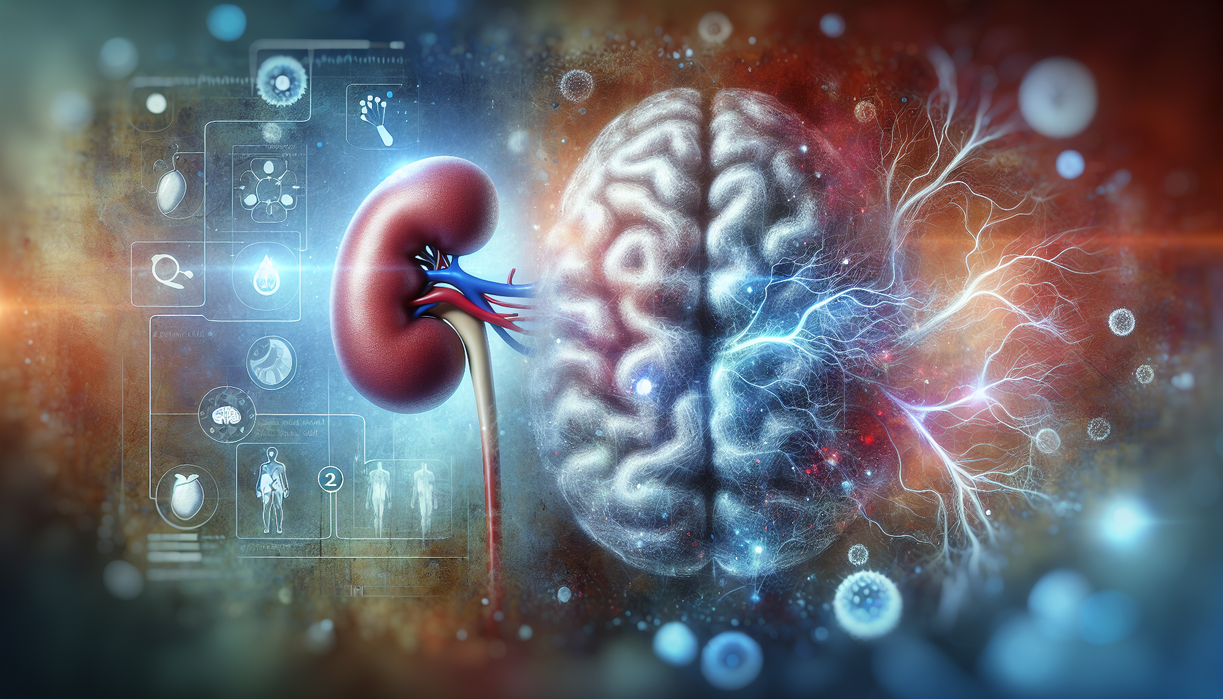
Neuroscience Insights: Kidneys, Brain, and Memory
thebugskiller.com – Neuroscience research is revealing an unexpected partnership inside the body: the close relationship between kidney health and brain function. A recent study in JAMA Network Open reports that people living with more advanced chronic kidney disease face a greater risk of cognitive impairment. This connection invites us to look beyond the kidneys alone and consider how subtle biological changes may quietly reshape memory, attention, and reasoning.
For years, specialists treated chronic kidney disease as a primarily renal issue, often separate from neuroscience concerns. Now evidence suggests that blood chemistry, vascular damage, and inflammation linked to failing kidneys may influence brain networks responsible for thinking clearly. Understanding this link offers a powerful opportunity: protect the kidneys earlier, support the brain longer, and rethink how we care for an aging population with rising rates of kidney problems.
Neuroscience Behind the Kidney–Brain Connection
The new neuroscience study tracked people across different stages of chronic kidney disease, then evaluated cognitive performance. Researchers found a clear pattern. As kidney function declined, signs of cognitive impairment became more frequent and more severe. This association remained even after accounting for age, education, and cardiovascular risk, which strengthens the case that kidney health independently influences brain performance.
From a neuroscience standpoint, this pattern makes sense. The brain demands a continuous supply of oxygen, nutrients, and stable blood chemistry. Kidneys help regulate fluid balance, remove toxins, and manage electrolytes. When kidney function weakens, metabolic waste can accumulate, blood pressure often rises, and small blood vessels throughout the body experience chronic stress. The brain’s delicate microvasculature becomes especially vulnerable to this slow, persistent strain.
Another key mechanism involves chronic inflammation and oxidative stress. Persistent kidney problems can trigger low‑grade inflammatory responses that do not stay confined to one organ. Instead, inflammatory molecules circulate through the bloodstream, influencing the brain’s immune cells, known as microglia. Overactive microglia may alter synaptic connections, disrupt neural circuits, and ultimately contribute to subtle declines in thinking speed or memory accuracy.
How Chronic Kidney Disease Affects the Brain
Neuroscience offers multiple explanations for why chronic kidney disease translates into cognitive challenges. One pathway involves tiny strokes or microinfarcts. Hypertension and vascular damage associated with kidney decline can injure small vessels in the brain. Over time these small injuries may not cause dramatic events such as major strokes, yet gradually erode networks responsible for executive function, planning, and mental flexibility. Clinically this often appears as slower processing, trouble organizing tasks, or mild confusion during complex decisions.
Another pathway concerns “neurotoxic” substances that kidneys normally filter. When filtration weakens, uremic toxins circulate at higher levels. Experimental neuroscience data suggest these compounds may disrupt neurotransmitter systems, including those linked to attention, motivation, and memory consolidation. People may notice more fatigue, mental fog, or difficulty holding new information, even if standard neurological exams appear mostly normal.
Sleep disturbance provides an additional piece of this puzzle. Many individuals with chronic kidney disease experience poor sleep quality, restless legs, or frequent nighttime awakenings. Fragmented sleep interferes with memory processing, emotional regulation, and toxin clearance inside the brain’s own waste‑removal system, the glymphatic pathway. Combined with vascular stress and inflammation, these sleep issues create a perfect storm, amplifying the risk of cognitive impairment across the progression of kidney disease.
Seeing the Study Through a Personal Lens
From my perspective, the most powerful message from this neuroscience research is not that chronic kidney disease inevitably leads to cognitive decline, but that the body operates as a tightly linked network. Too often medical care separates organs into silos: nephrology for kidneys, neurology for the brain, cardiology for the heart. Evidence tying kidney severity to cognitive impairment suggests that approach misses deeper connections. If I were advising someone with early kidney problems, I would emphasize proactive brain health: control blood pressure rigorously, aim for consistent sleep, remain physically active, challenge the mind with learning. At a systems level, I would argue that kidney clinics should routinely screen for cognitive changes, not as an afterthought but as part of core care. This study reminds us that preserving kidney function is also an investment in mental clarity, independence, and quality of life. In the end, neuroscience shows that when we protect one organ, we often safeguard the whole person.

Related Posts

Public Health Warning: Flea-Borne Threat in LA

Context Behind California Hospice Fraud Sweep