
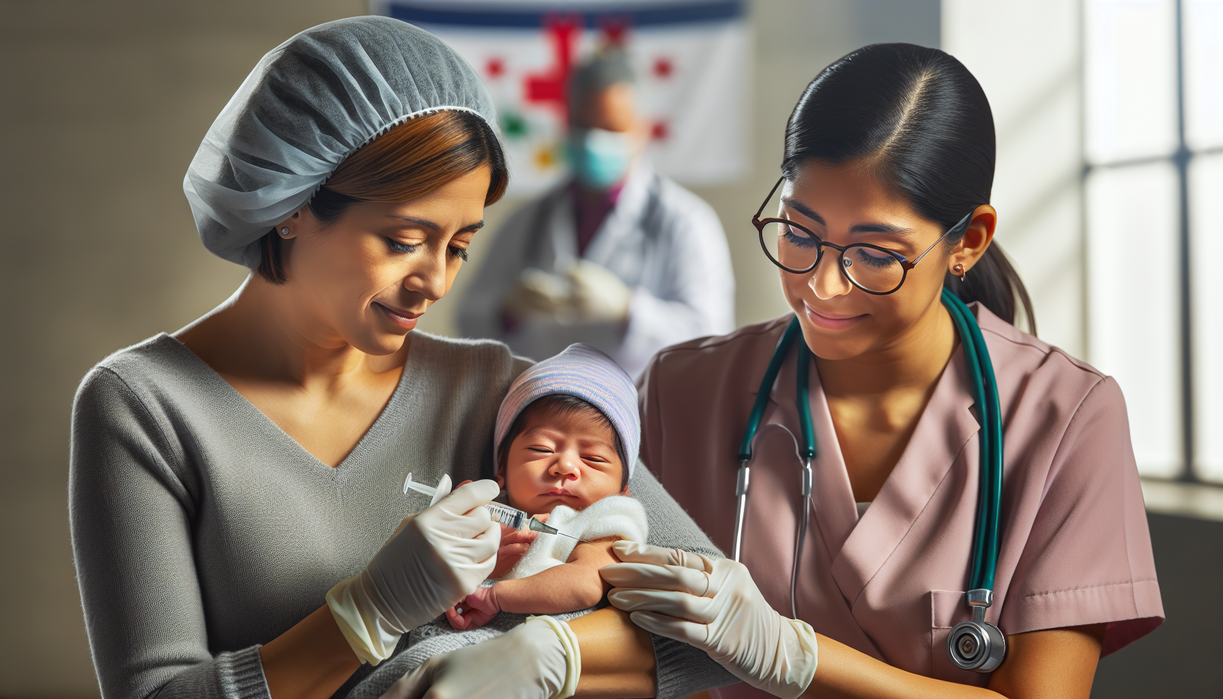
Pediatrics Pushback: Illinois Stands by Newborn Hep B Shots
thebugskiller.com – Pediatrics experts in Illinois just sent a strong message about newborn protection, choosing to uphold hepatitis B vaccination for almost every baby born in the state. While federal health officials may soon adjust national recommendations, this state panel signaled that its priority remains clear: shield infants from a silent but dangerous liver infection from day one. The move highlights a growing tension between broad federal guidance and the realities of pediatrics practice at the bedside.
This decision also reflects how pediatrics intersects with public trust, parental anxiety, and evolving science. Rather than trimming the vaccine schedule for convenience, Illinois specialists leaned on decades of evidence showing early hepatitis B shots save lives. Their stance poses a critical question for families and clinicians alike: should states follow a one-size-fits-all federal playbook, or adapt pediatrics policies to local risk, equity concerns, and lived experience in their own hospitals?
Why Hepatitis B Still Matters in Modern Pediatrics
Hepatitis B may seem like yesterday’s threat, yet pediatrics professionals know the virus never left. This infection can spread through blood or bodily fluids, then quietly damage the liver for years. Babies exposed during birth face a particularly severe risk. A large proportion of infected newborns develop chronic infection, later encountering cirrhosis or liver cancer. The pediatrics community has long viewed universal newborn vaccination as a crucial firewall against this lifelong burden.
Before routine hepatitis B vaccination became standard, many children contracted the virus early in life. That era produced tragic outcomes: young adults needing liver transplants or dying far too soon due to complications few saw coming during childhood. Today’s pediatrics protocols transformed that landscape. The first vaccine dose shortly after birth dramatically reduces transmission from infected parents and from early-life exposures whose sources are sometimes impossible to trace.
Critics sometimes argue the United States has relatively low hepatitis B prevalence, so universal newborn shots might feel excessive. Yet pediatrics specialists emphasize a key point: risk is not evenly distributed. Certain communities, especially immigrants from regions with higher infection rates, still shoulder a heavy burden. Universal policies reduce stigma, simplify logistics, and ensure that families who move, lack consistent records, or miss screenings still receive reliable protection for their children.
Illinois’ Position: A Pediatrics Lens on Policy
Against this backdrop, an Illinois advisory panel reviewed current evidence through a pediatrics lens rather than a purely theoretical approach. Members considered potential federal shifts that could relax universal newborn hepatitis B recommendations, possibly moving toward more selective vaccination tied to maternal test results. On paper, such a change might appear efficient. In the messy reality of busy maternity wards, missed screenings or documentation errors remain possible, especially for families with limited access to prenatal care.
Illinois pediatrics leaders essentially asked: what happens when something falls through the cracks? Their conclusion echoed years of bedside experience. A universal newborn dose serves as a critical safety net, guarding infants when maternal infection status is unknown, tests are delayed, or parents lack full medical histories. By endorsing continued vaccination for nearly all newborns, the panel reaffirmed a core pediatrics principle: err on the side of the child’s long-term health, even when policy trends lean toward minimalism.
There is also a social dimension often overlooked in technical debates. Pediatrics is not only about individual patients, but also about reducing health disparities. Switching to a more selective vaccine strategy might place the heaviest risk on families already facing barriers to care. The Illinois decision quietly acknowledges this reality. Universal newborn vaccination functions as a subtle equalizer; every baby receives the same starting line, regardless of income, language, or immigration status.
Balancing Parental Concerns with Pediatrics Evidence
Parents understandably have questions when their hours‑old baby receives any injection, so pediatrics teams must bridge the gap between science and emotion. From my perspective, Illinois’ choice respects both sides of that equation. Clear conversations about hepatitis B—how chronic infection can scar a child’s future, how rare serious vaccine reactions remain, how decades of real-world pediatrics data support safety—allow families to see the first dose not as an arbitrary hospital ritual, but as a carefully chosen safeguard. Some may worry that more vaccines mean more risk, yet the far greater danger lies in reversing progress through hesitant policies built on short-term comfort rather than long-term protection. As states watch Illinois, the challenge ahead is to keep pediatric care rooted in evidence, transparency, and equity, so each newborn enters life with the strongest shield modern medicine can offer.

Related Posts

Public Health Warning: Flea-Borne Threat in LA

Context Behind California Hospice Fraud Sweep