
Wellness In 2026: Rituals Over Quick Fixes
thebugskiller.com – Wellness in 2026 looks very different from the biohacking buzz of a few years ago. Instead of chasing extreme routines or viral shortcuts, more people now chase steadier energy, calmer minds, and habits that feel sustainable. The goal is not to win a perfection contest but to build lives that run smoothly for decades, not weeks. Fiber-filled plates, mindful matcha breaks, smarter sleep, and slower mornings now define this gentler approach.
At its core, modern wellness focuses less on appearance and more on how daily rituals support long-term health. The spotlight shifts to what we repeat every single day: the way we eat, how we move, our digital boundaries, and even the conversations we have with ourselves. This shift matters because genuine wellbeing rarely arrives through sudden transformations. It grows quietly through ordinary choices we make again and again.
The Rise Of Sustainable Wellness Rituals
One of the clearest shifts in wellness trends this year is the move away from extremes. Crash diets, marathon challenges, and punishing schedules no longer feel impressive. Instead, people ask a simple question: can I realistically keep this up? That question filters every new habit. A daily ten-minute stretch routine might not look dramatic on social media, yet it delivers better results than a single intense workout followed by weeks of burnout.
This sustainable mindset gives permission to explore routines tailored to personal life rather than someone else’s highlight reel. An introvert might focus on quiet walks and journaling, while a busy parent leans on batch-cooked high-fiber meals and early bedtimes. Wellness becomes less about copying influencers, more about listening to energy levels, mood shifts, and actual medical data.
From my perspective, this is the healthiest cultural pivot we have seen in years. It reframes wellness as a relationship with yourself, not a performance for others. When we stop chasing short-term perfection, we unlock room for curiosity. We can experiment with small tweaks, monitor how our bodies respond, and adjust without shame. In that space, real change has a chance to stick.
Fibermaxxing, Matcha, And The New Nutritional Mindset
“Fibermaxxing” might sound like another internet joke, yet it captures a deeper shift in wellness priorities. Instead of obsessing over exotic supplements, more people focus on one unglamorous nutrient: fiber. Higher intake supports digestion, stabilizes blood sugar, and helps reduce long-term disease risk. In practical terms, that means more legumes, whole grains, vegetables, fruits, and seeds on the plate. It is everyday food, not futuristic powder.
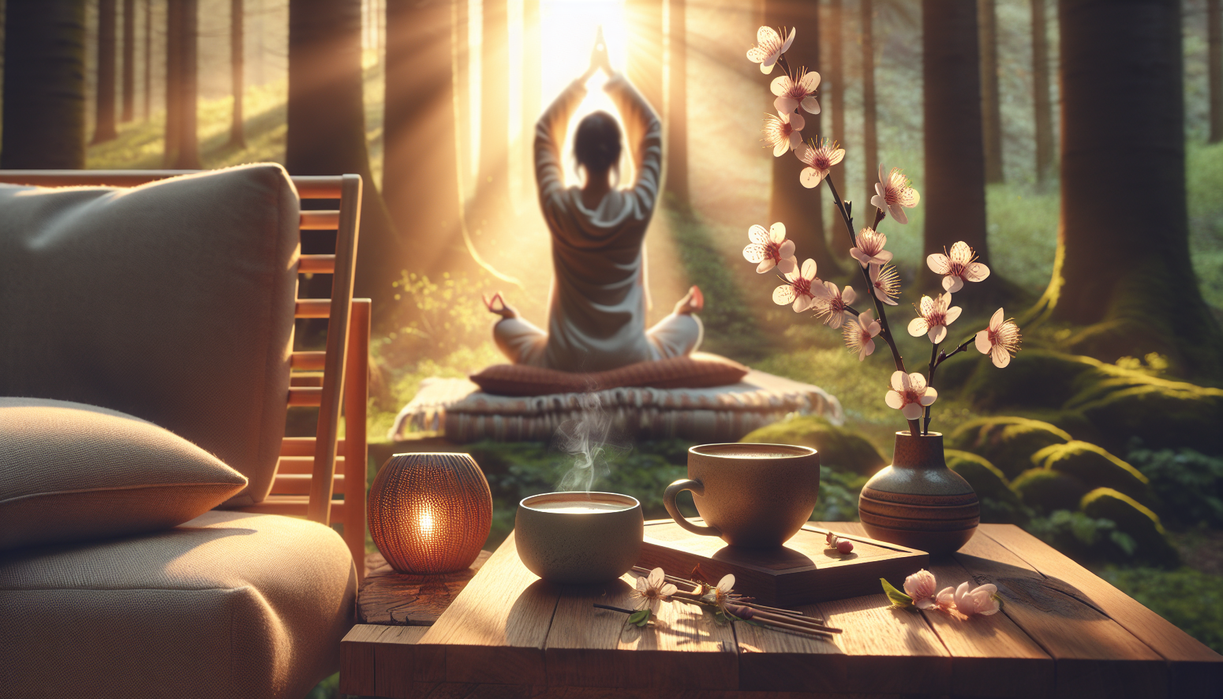
Matcha also keeps its place in the wellness spotlight, though for subtler reasons than hype alone. Unlike the jittery spike from strong coffee, matcha’s combination of caffeine and L-theanine offers a calmer lift. Many people use a morning matcha ritual to signal a mindful start to the day. The process of whisking, pouring, and sipping slowly becomes a tiny daily ceremony, one that quietly trains attention and reduces autopilot scrolling.
My own view is that these trends succeed because they sit at the intersection of science and pleasure. Fibermaxxing aligns with solid research on gut health, yet it also invites colorful meals rich in texture. Matcha offers antioxidant benefits, yet it doubles as a comforting moment of pause. Wellness that feels good tends to last longer, which might be the most important metric of all.
Long-Term Health Over Aesthetic Obsession
Another striking aspect of 2026 wellness culture is a growing boredom with purely appearance-driven goals. Many people still care about how they look, of course, but fewer want to suffer for a narrow beauty ideal. Instead, the questions sound more practical: Will my knees still like me at sixty? Can I play with my kids without pain? Is my brain as sharp in the afternoon as it is at 9 a.m.? Strength training, joint mobility work, regular checkups, heart health, and blood sugar control now sit closer to the center of the conversation. From a personal perspective, this redirection feels overdue. Bodies are not projects to be constantly renovated; they are homes we live in for life. When wellness choices honor that reality, they become less punishing and more respectful. Over time, that respect can transform not only how we treat ourselves but also how we support the wellbeing of the people around us.

Related Posts
Pelvic Health in Context for Women
Content Context and the Future of Home