Rabies Vaccination Clinic: Protecting Pets for Free
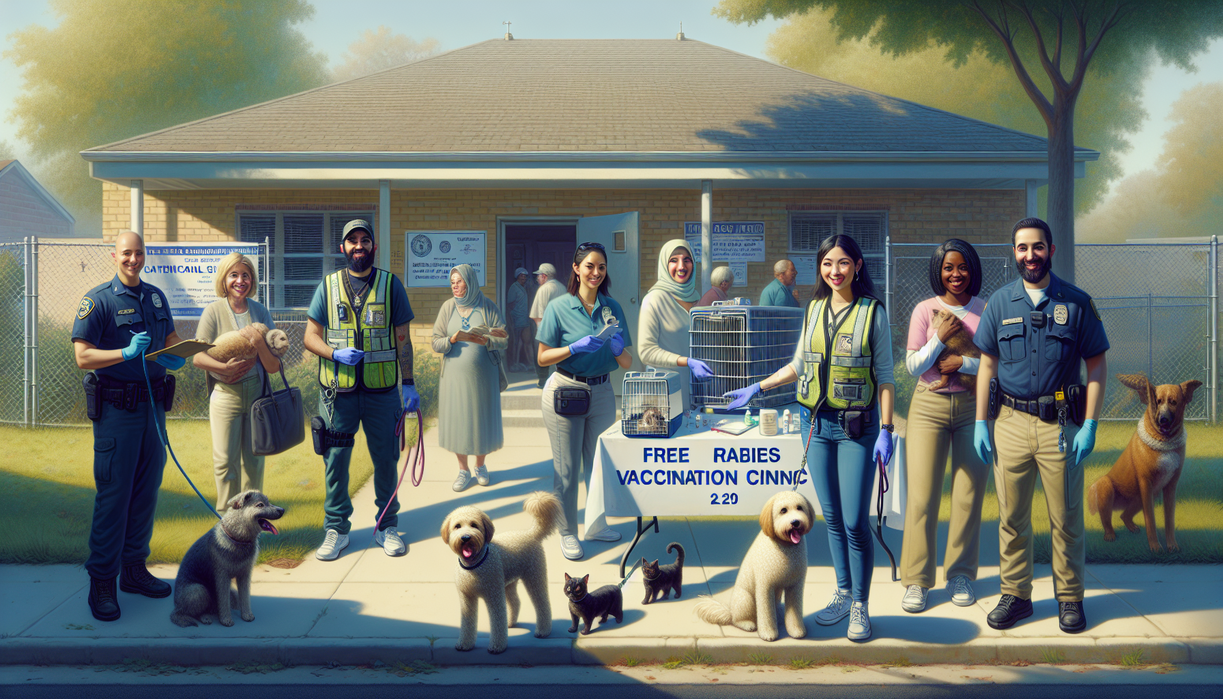
thebugskiller.com – A free rabies vaccination clinic is heading to Suffolk County, giving local pet owners a valuable chance to protect their furry companions at no cost. On April 18, from 9 a.m. to 1 p.m., the Brookhaven Animal Shelter at 300 Horseblock Road will host a clinic for dogs, cats, and even ferrets. With a limited supply of doses available, planning ahead could make the difference between a missed opportunity and a safely immunized pet.
This rabies vaccination clinic offers more than simple shots. It reflects a community decision to prioritize public health, animal welfare, and financial relief for families. As someone who closely follows pet health initiatives, I see this event as an excellent reminder that prevention starts at the local level, where people, pets, and public services intersect in very real, everyday ways.
Why a Rabies Vaccination Clinic Matters Now
Rabies might sound like a distant threat, yet public health experts never treat it lightly. Once symptoms appear, the disease remains almost always fatal for animals and humans. That stark reality turns every rabies vaccination clinic into a front-line defense against a virus that still lurks in wildlife. In regions with raccoons, bats, or stray animals, even a single unvaccinated pet can open the door to real risk for an entire neighborhood.
The Suffolk County rabies vaccination clinic arrives at a crucial moment when many households still juggle tight budgets. Veterinary care can be expensive, especially for families with multiple pets or recent adopters from shelters. By removing the cost barrier, this event helps ensure immunity reaches pets across income levels. That kind of access shapes safer communities, not just healthier animals, because rabies prevention always has a shared impact.
From my perspective, free events like this rabies vaccination clinic also help rebuild trust between residents and public institutions. When local officials show up with practical help, not just regulations, people take notice. Pet owners who visit the Brookhaven Animal Shelter on April 18 will walk away not only with vaccinated companions, but also with a stronger sense that public health is a shared project, supported by real, tangible action.
Key Details Pet Owners Need to Know
Marking the calendar is the first step. The rabies vaccination clinic will run on April 18, from 9 a.m. until 1 p.m., at the Brookhaven Animal Shelter, located at 300 Horseblock Road in Suffolk County. Arriving earlier rather than later makes sense, especially with a limited number of vaccine doses. Once supplies run out, organizers must stop giving shots, even if more people are waiting with their pets.
This rabies vaccination clinic welcomes three types of companion animals: dogs, cats, and ferrets. Each should arrive under control for everyone’s safety. Dogs must be on sturdy leashes, while cats and ferrets should be transported in secure carriers. Calm, controlled arrivals reduce stress for staff, pet owners, and the animals themselves. It also ensures the clinic can move efficiently, helping as many families as possible before closing time.
Because supplies remain limited, I suggest preparing a short checklist before heading out. Confirm your pet’s previous vaccination records, if available, so the veterinarian can decide on dosing intervals. Bring identification, such as a driver’s license, in case staff need to confirm residency policies. Finally, consider arriving with patience. Free rabies vaccination clinic events often draw good crowds, so a bit of waiting usually comes with the territory, but the payoff in protection far outweighs the minor inconvenience.
Beyond the Shot: Community Benefits of Prevention
When a county hosts a rabies vaccination clinic, the benefits ripple far beyond individual pets. Every vaccinated animal becomes a barrier against potential outbreaks, protecting small children, postal workers, animal control officers, and neighbors who might cross paths with that pet. From my viewpoint, this single free event at Brookhaven Animal Shelter shows how local government can quietly shape a safer future. It nudges owners toward responsible choices, keeps shelters from dealing with preventable exposures, and reminds all of us that health security starts with simple, proactive steps. As the clinic wraps up on April 18, the real impact will unfold in the months ahead, reflected in the absence of tragedy. That invisible success is worth reflecting on the next time we consider the value of community-driven prevention.

Related Posts

Faith, Family and Fear in United States News

New Lab Access at Memorial Hospital of Sweetwater County